Storyteller from New Hampshire: International Perspectives from a Local Voice

Every writer must strike a careful balance between the world that influenced them and the world they are trying to comprehend. According to Graham Keith, that world starts in New England, where the scenery is as reflective as its inhabitants. As a New Hampshire storyteller, Keith infuses his fiction with the serene integrity of his home state, giving each line moral depth, reflection, and restraint.

The Voice of a Region, the Vision of the World

More than just a setting, New Hampshire serves as a moral compass thanks to its enormous forests, placid lakes, and centuries of independent spirit. Its values of self-reflection and honesty have given rise to authors whose writings transcend the regional and transcend the global. Graham Keith’s voice is distinctive among New England writers with worldwide tales because it successfully combines grounded authenticity with a broad understanding of human experience.

The conflict between local identity and global consciousness is reflected in his writing. He explores global themes of responsibility, truth, and the human condition through the prism of New England life’s simplicity, peaceful rhythms, and moral significance. Like their creator, Keith’s characters may be from small towns, but they have universal issues.

From the Hills of New Hampshire to the Conflicts of the World

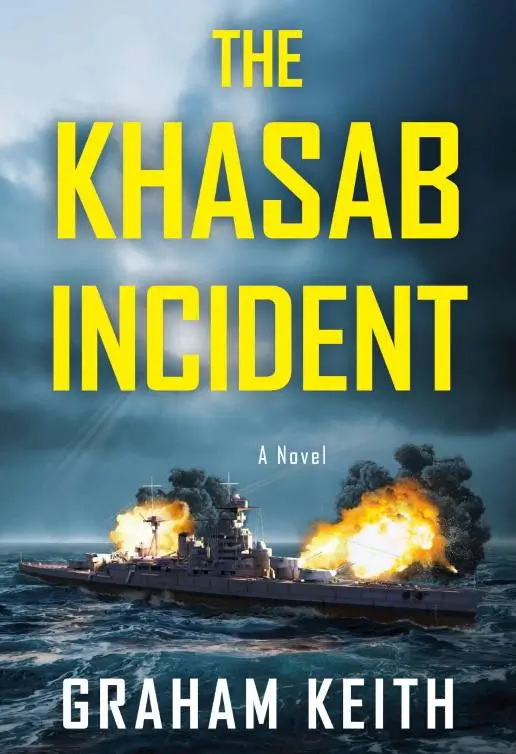
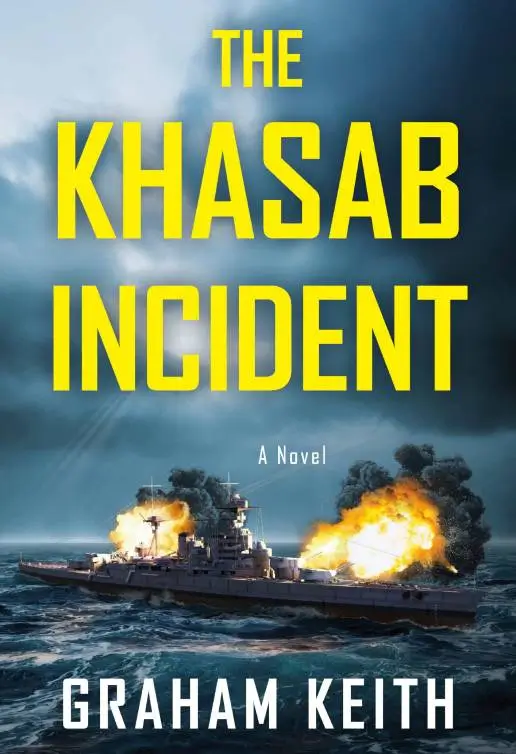
Graham Keith’s work often unfolds far from the familiar settings of New England, yet it always retains the clarity of its moral light. In The Khasab Incident, for example, readers are taken into the fraught complexities of Middle Eastern conflict, filtered through the conscience of characters shaped by Western ideals. The novel’s strength lies in how its author, a storyteller from New Hampshire uses that moral grounding to illuminate the tensions between faith, responsibility, and truth.

This interplay between place and perspective is at the heart of Keith’s artistry. While he writes from the landscapes of New Hampshire, his fiction listens to the pulse of the wider world. He explores not just geography but humanity itself, showing how conscience, courage, and compassion unite people across continents.

New England Authors with Global Stories

The literary tradition of New England authors with global stories is one of balance — between simplicity and complexity, the local and the universal. Writers like Henry James and Edith Wharton once carried New England’s precision and moral curiosity into international settings, redefining the American voice abroad.

Keith continues that lineage for the modern era. His prose mirrors the calm deliberation of his region, but his themes belong to the restless world beyond. Whether exploring the ethical ambiguities of diplomacy, the strains of belief, or the quiet heroism of conscience, his work asks the same question: how do moral individuals remain human in inhuman circumstances?

The Moral Geography of Storytelling

To be a storyteller from New Hampshire is to inherit a subtle but powerful tradition, one that values reflection over rhetoric, and insight over spectacle. In Keith’s writing, that tradition finds new life. His stories, though international in scope, are rooted in the quiet conviction that truth must be examined, not assumed.

This moral geography, local soil, global vision, gives his fiction its distinctive weight. The worlds he builds feel lived in, not just imagined; his characters’ struggles echo the reader’s own. The result is storytelling that transcends entertainment, offering instead a contemplative engagement with life’s most enduring dilemmas.

A Voice Both Local and Lasting

Graham Keith is unique among New England writers with international tales because he not only influences the direction of his fiction but also its starting point. He serves as a reminder that universal tales frequently originate in personal settings and that a writer’s moral imagination is based on depth rather than distance.

His stories demonstrate that the most pressing issues facing humanity are not unfamiliar but rather well-known. Keith’s writing reflects a common moral landscape, where introspection becomes a means of comprehending the world, whether it is set in the tumultuous settings of his novels or the serene hills of New Hampshire.

Closing Reflection

As a storyteller from New Hampshire, Graham Keith’s literary identity is more than just a geographic designation; it’s a declaration of viewpoint. His writing, which is influenced by the conscience and clarity of New England, provides readers with a link between empathy on a global scale and local authenticity.

His voice, measured, considerate, and profoundly compassionate, endures in a world full of noise. Graham Keith is one of the best New England authors with global stories, demonstrating that sometimes the voices that speak loudest to the world come from the most remote places. His stories transcend national boundaries while maintaining a moral foundation.


Behind the Scenes of The Khasab Incident: Unveiling the Background of the Novel

Every novel carries two stories, the one told on its pages and the quieter one that exists behind them. To understand The Khasab Incident is to explore both. In this Behind the Scenes of The Khasab Incident feature, readers are invited to step into the creative journey of Graham Keith, to discover the inspiration, research, and reflection that shaped the world of his morally complex and deeply human novel.

The Spark Behind the Story

Rather than offering a solution, the backdrop of The Khasab Incident novel started with a query: how far can a man go before his morals start to falter? Moral boundaries and the conflict between duty and conscience, loyalty and truth, captivated Graham Keith. This fascination gave rise to a realistic story in which every decision has repercussions and reverberates for a long time after it is made.

Keith’s personal observations of locations where cultures collide and tensions simmer beneath the surface gave rise to the setting concept. An appropriate metaphor was offered by Khasab, a seaside town on the tip of Oman’s Musandam Peninsula: serene yet teeming with invisible stresses.

Writing at the Crossroads of Conscience

For Keith, The Khasab Incident was never intended to be a simple thriller. Instead, it was an exploration of the human condition through the lens of ethical conflict. The background of The Khasab Incident novel lies not in grand adventure, but in introspection, in understanding how ordinary individuals respond when faced with extraordinary moral tests.

The writing process was marked by research and reflection. Keith immersed himself in the geopolitics of the region, the psychological strain of isolation, and the subtle moral challenges that arise when right and wrong blur. Yet his focus remained on character, on the internal landscapes that define human experience far more than any physical setting ever could.

He often describes his writing method as one of “moral observation,” not judging his characters, but allowing them to reveal their choices organically. This approach gives The Khasab Incident its emotional authenticity, allowing readers to experience the story as participants rather than spectators.

The Human Stories Within the Incident

In the end, the narrative of the Behind the Scenes of the Khasab Incident is one of empathy. Keith’s characters are people trapped in the gray areas of life, not moral icons or archetypes. They have the same hopes, doubts, and regrets as us. Every character has a backstory that influences their decisions, and the novel’s emotional impact comes from these layers.

Keith was especially interested in showing how conscience changes as a person’s moral compass changes in response to adversity. He wanted readers to understand that redemption and guilt are parallel paths that frequently cross in unexpected ways rather than being diametrically opposed.

Balancing Research and Imagination

Writing The Khasab Incident demanded a delicate balance between factual accuracy and creative freedom. While Keith drew inspiration from real-world observations, the novel itself is a work of fiction, an imagined narrative that uses authenticity to anchor emotion.


He delved into the geography of Oman, the rhythm of its coastal life, and the subtleties of cross-cultural encounters. Yet, at its heart, The Khasab Incident remains a moral inquiry rather than a travelogue. The factual details simply give weight to the emotional truth of the story, a hallmark of Graham Keith’s writing style.

The Themes That Endure

Looking behind the scenes of The Khasab Incident reveals recurring themes in Keith’s work: moral ambiguity, the resilience of conscience, and the human need for reconciliation. His characters wrestle with questions that have no easy answers, and in doing so, they reflect the complexities of real life.

The background of The Khasab Incident novel shows how Keith uses fiction not to escape reality but to confront it, to illuminate the quiet heroism in doubt, the courage in compassion, and the grace found in imperfection.

These are not simply intellectual explorations; they are emotional truths. Through restraint and empathy, Keith creates space for readers to reflect on their own ethical boundaries, reminding us that understanding often begins with uncertainty.

Final Reflections

Every novel is a conversation between author and reader, and The Khasab Incident is no exception. To step Behind the Scenes of The Khasab Incident is to witness the fusion of thought, feeling, and craft that defines Graham Keith’s writing.

What began as a moral question evolved into a profound narrative about humanity’s constant struggle between conscience and circumstance. The result is a novel that lingers, not because of its plot twists, but because of its emotional honesty.

Thought-Provoking Fiction for Readers Who Love Reflection

While some books linger, others amuse. Long after the last page, they continue to linger in your mind, posing queries, arousing sympathy, and leaving subdued echoes of comprehension. Stories that provoke thought rather than just impart information are the most memorable. These kinds of books are at the core of thought-provoking fiction, which is literature that questions, enlightens, and unveils new facets of the human condition.

The Khasab Incident by Graham Keith is a good example of this tradition. Written for readers who are as hungry for meaning as they are for story, it is a book of conscience and consequences. It explores not just what people do but also why they do it and the consequences of their decisions, much like other works of thought-provoking fiction.

Why Readers Seek Thought-Provoking Fiction

Reflective storytelling provides something uncommon in a time of rapid-fire content and short attention spans: calm. Readers can slow down and delve deeply into concepts, feelings, and moral complexity when they read thought-provoking fiction. It serves as a reminder that good fiction is exploration rather than escape.

This type of literature appeals to readers who are looking for truth rather than heroes or villains. They aspire to enter the heads of flawed, conflicted characters and come out on the other side transformed. Such stories frequently raise uncomfortable questions, but it is precisely this discomfort that gives them their transformative power.

That audience is exactly what Keith’s writing targets. His writing is thoughtful, reflective, and emotionally astute. He makes every moral quandary feel both personal and universal by allowing tension and ambiguity to breathe rather than hurrying towards resolution.

The Beauty of Intellectual Emotion

The way that thought-provoking fiction strikes a balance between intellect and emotion is one of its greatest advantages. The best stories evoke rather than preach. They help us feel our way to comprehension.

This art has long been displayed by writers like Ian McEwan, Marilynne Robinson, and Graham Greene: crafting stories in which philosophical contemplation and emotional depth coexist. Graham Keith carries on that tradition by writing tales that compel readers to consider moral limits, forgiveness, and faith.

Emotion and ethics are intertwined in the Khasab Incident. The characters in the book battle not just with conflict outside of themselves but also with the inner turmoil of their own beliefs. Keith demonstrates via their journey how contemplation can result in atonement and how thinking itself can be a brave act.

Fiction as a Mirror

Fundamentally, provocative fiction acts as a mirror. It forces us to examine ourselves by reflecting back to us our own doubts. It challenges us to examine the morals we take for granted and the narratives we tell ourselves about right and wrong.

This kind of introspection is exactly what Keith’s story encourages. His protagonist, torn between obligation and morality, serves as a vehicle for examining the challenging realities of human nature. Every chapter turns into an appeal for empathy, not the sentimental kind, but the kind that necessitates reflection.

In this way, Keith’s writing is experienced rather than merely read. It forces the reader to participate both intellectually and emotionally, fusing comprehension and emotion in a way that makes literature enduring.

The Enduring Value of Quiet Fiction

The literary world of today frequently extols speed and spectacle. However, there is great power in self-control, in silent stories that develop through dialogue, moral tension, and memory. Fiction that provokes thought flourishes in that nuanced area.

Keith’s storytelling is a prime example of that craft. His pacing is deliberate but captivating, and his language is elegant but unpretentious. He demonstrates that truth, not noise, is all that a novel needs to keep our interest. His words create an experience that feels both timeless and urgently relevant by encouraging reflection rather than distraction.

This is the kind of fiction that is meant to be read again and again with a deeper comprehension each time, rather than being consumed quickly.

The Moral Weight of Reflection

True reflection always carries moral weight. Thought-provoking fiction leaves readers with more than closure; it leaves them with questions. What do we owe to others? How far should duty stretch before it becomes a compromise? Can forgiveness ever erase guilt?

Keith’s The Khasab Incident engages with these questions fearlessly. It presents human frailty not as failure but as fact; an inherent part of existence. His characters do not find easy redemption, yet through their introspection, they discover truth.

That truth, messy, human, and compassionate; is what makes Keith’s work resonate so deeply.

Final Thoughts

The best literature whispers its message rather than shouting it. Because it honors the reader’s intelligence, thought-provoking fiction has great power. It has faith in our ability to grow, question, and discover meaning.

This uncommon form of narrative is best represented by Graham Keith’s The Khasab Incident, which is emotionally honest, morally insightful, and full of introspection. It is fiction for readers who wish to think, feel, and gain a slightly clearer understanding of the world.

A Book About Khasab: Unveiling the Mysteries Behind the Mountain Town

The silent conflict between right and wrong is one of the things that most challenges the human spirit. The best stories show morality as a complicated web of circumstance, intention, and consequence rather than as a straightforward decision. The reason moral dilemma novels are so captivating is that they defy simple solutions and instead captivate us with the complex and ever-changing terrain of human conscience.

Graham Keith takes readers to that exact line in The Khasab Incident, where loyalty is put to the test and duty and empathy clash. Like many of the most profound novels about moral dilemmas, his work asks readers to look inward and confront uncomfortable questions: What would we do, if placed in the same situation? What compromises would we make? And could we live with them?

The Power of the Ethical Question

Because they address the core of human nature, novels about moral quandaries are timeless. They remove the distractions of everyday life and reveal our true motivations, the decisions that shape who we are.

From Dostoevsky to Ian McEwan, authors have examined this conflict by crafting stories in which every choice has moral and emotional significance. In these tales, morality is a dynamic spectrum influenced by situation, fear, and hope rather than being black or white.

The same tradition applies to Keith’s fiction. His characters are regular people put in extraordinary circumstances; they are neither villains nor saints. Their internal and external struggles stem from a conscience that won’t keep quiet.

The Grey Areas of Humanity

Perfect heroes have become boring to readers today. We seek truth, the untidy, flawed kind that is instantly recognizable. Every decision has a price, as the most compelling books about moral quandaries make clear. These conflicts, which can be loyalty versus honesty, love versus duty, or justice versus compassion, reflect the contradictions that exist inside each of us.

Keith does a beautiful job of capturing this in The Khasab Incident. The protagonist’s journey is one of reckoning rather than victory. Every choice turns into a self-negotiation, a balancing act between necessity and what feels right. The story is advanced by this subtly present moral tension, making for an exciting and thought-provoking read.

The Legacy of Moral Fiction

Moral fiction has always been about introspection, from Kazuo Ishiguro’s subdued narrators to Graham Greene’s conflicted priests. The best books about moral quandaries are meditative rather than moralizing. They compel us to think about our values practically rather than theoretically.

This tradition of self-reflection is evident in Keith’s writing. He writes in a measured, purposeful, and emotionally stable manner. Every silence is laden with implication, and every scene is layered with subtle meaning. He is aware that hesitation, the period of time between knowing what is right and deciding to do it, often causes more tension than actual action.

Because of this method, The Khasab Incident is not only a gripping story but also a mirror that represents the reader’s own moral environment.

Why Moral Complexity Matters

Novels about moral quandaries serve as a reminder that truth is rarely that straightforward in a society that frequently looks for easy solutions and moral absolutes. They teach empathy by empathizing with the weight of choice, not by being sentimental.

These kinds of stories are important because they improve our ability to think and, possibly, our humanity. They serve as a reminder that everyone fights invisible battles and that it is pointless to pass judgment without knowledge.

That philosophy is fully embraced in Keith’s fiction. His characters struggle with responsibility, guilt, and redemption, not as theoretical concepts, but as real-life situations. He encourages readers to examine not only their beliefs but also the reasons behind them.

The Quiet Aftermath of Choice

The most haunting part of a moral decision is not the act itself, but its aftermath, the reflection, the regret, the justification. Keith’s work captures this quiet emotional echo with remarkable restraint.

Unlike fast-paced thrillers that move from crisis to resolution, The Khasab Incident lingers in the space between. It shows how moral choices ripple through lives, altering relationships and reshaping identity. In doing so, it joins the company of the most thoughtful novels about moral dilemmas, where ethical struggle becomes the very heart of the narrative.

Final Thoughts

At its best, moral fiction does more than entertain, it illuminates. The finest novels about moral dilemmas challenge us to see ourselves in others, to recognise our capacity for both good and harm, and to find meaning in the choices we make.

Graham Keith’s The Khasab Incident exemplifies this rare blend of emotional depth and intellectual honesty. It is a novel for readers who appreciate complexity, who understand that morality is not a rulebook but a mirror.

Top British-American Authors to Read: Crossing Borders in Prose

Great narrative transcends all boundaries. Literature gains a depth that transcends geography when American and British voices blend together, combining rhythm, perspective, and cultural subtleties. The best British-American writers of our time recognize that fiction is more than just amusement; it is a cross-atlantic dialogue and an act of cultural interchange that continues to influence our worldview.

Graham Keith is one of these voices; his writing has the narrative momentum and approachability that American readers value while also reflecting the sensitivity and introspection frequently associated with British literary tradition. His book The Khasab Incident explores the universal human struggles of morality, identity, and redemption while demonstrating how fiction can transcend continents.

The Shared Language of Storytelling

Although American and British authors use the same language, their worlds are very different. The best British-American writers to read are so captivating because of this conflict between similarity and difference. They serve as a reminder that English is a living, breathing language that reflects many histories and imaginations rather than being a monolith.

These writers exemplify dual belonging, from Jhumpa Lahiri, who examines the experience of immigrants between continents, to Kazuo Ishiguro, whose precise prose inspires silent reflection. Their writing allows readers to experience both viewpoints: the openness of American realism and the restraint of British narrative.

Cultural Crossroads in Fiction

The best British-American writers frequently examine the boundaries between countries, moral decisions, and a sense of belonging and alienation. Their characters are most recognizable and relatable during these transitional scenes.

That same sense of crossing can be seen in The Khasab Incident by Graham Keith. Despite being beautifully rendered, its settings focus more on internal conflict than on geography. The story’s true subject is personal: the moral conundrums faced by those attempting to balance conscience and circumstance, even though it takes place in the backdrop of international tension.

Transatlantic fiction’s lasting appeal stems from this blending of the personal and the political.

The Literary Legacy of Connection

The top British-American authors to read are part of a legacy that stretches back generations. Think of Henry James, who lived on both sides of the Atlantic and captured the subtle differences between Old World refinement and New World energy. His characters often stand between cultures, a reflection of James himself, who understood that identity is rarely fixed.

Today, writers like Zadie Smith, Ian McEwan, and Donna Tartt continue to blur those boundaries. Their prose carries echoes of shared heritage, witty, observant, sometimes restrained, always deeply human.

Keith’s place among them comes from his ability to write with that same clarity and compassion. His narratives are rooted in the British tradition of moral reflection, yet they unfold with an emotional immediacy that feels universal.

Reading Across Borders

Reading the top British-American authors to read is an act of discovery, not just of other cultures, but of ourselves. These stories reveal how different societies confront the same questions: what it means to live honourably, to love deeply, and to find purpose in uncertainty.

For readers seeking literature that feels both thoughtful and accessible, this transatlantic blend offers the best of both worlds. Keith’s work embodies that fusion beautifully, appealing to readers who appreciate introspective storytelling but crave the momentum of modern fiction.

Why Graham Keith Belongs on the List

It’s not every day that a novel manages to be both morally complex and emotionally readable. Yet The Khasab Incident does exactly that. It belongs among the top British-American authors to read because it captures the enduring power of conscience-driven storytelling, where character and choice carry as much weight as plot.

Keith’s prose moves with quiet confidence. He writes not to impress but to illuminate, exploring how small decisions ripple outward to shape entire lives. That balance, between empathy and intellect, tension and tenderness, makes his work both contemporary and timeless.

Final Thoughts

The literary bond between Britain and America continues to evolve, enriched by authors who bridge both sensibilities. The top British-American authors to read remind us that storytelling is not about borders but about connection, about finding shared humanity in unfamiliar places.

Graham Keith’s The Khasab Incident belongs proudly within that conversation. It is a novel that speaks across cultures and generations, written with empathy, precision, and moral depth.

Heartfelt Fiction Books That Explore Family, Loss and Redemption

Stories that cause us to pause, arouse feelings, recollect memories, and subtly remind us of what it means to be human are frequently the most impactful. Because heartfelt fiction books provide solace, camaraderie, and catharsis, readers keep coming back to them. They assist us in understanding broken families, loss, and the brittle hope that comes after redemption.

The writing of Graham Keith is firmly in line with this tradition. He crafts a story in his book The Khasab Incident that speaks to people who are looking for significance in emotional truth and moral complexity. His writing is in line with other poignant fiction novels that honor fortitude and kindness in the face of adversity.

The Enduring Appeal of Emotional Storytelling

Emotion has always been expressed through literature. From Elizabeth Strout’s serene depictions of community to Thomas Hardy’s somber reflections, authors who successfully convey the complexities of love and loss frequently make the biggest impression.

Readers today yearn for that same closeness. Heartfelt fiction novels provide a place of calm in a time of distraction, allowing one to consider the important things in life. These tales serve as a reminder that even in the face of loss, life unfolds with subtle beauty, that suffering can be endured, and that forgiveness is achievable.

These characteristics are also present in Keith’s fiction. Despite being modern, his writing has the richness of classic narrative.

Family as Foundation and Fracture

Heartfelt fiction books frequently center on family. It is a place where conflict and love coexist, as well as a haven. Authors who write about family relationships show how profoundly they influence who we are and how losing a family member can change who we are.

Family transcends bloodlines in Keith’s art. It turns into a metaphor for a sense of belonging and the bonds we create despite differences and distance. His characters’ bonds, which are occasionally brittle and imperfect, emphasize the universal desire to be understood. According to his perspective, family can be the cause of heartache as well as the means of recovery.

Writing Through Loss

Loss is perhaps the most enduring theme in literature. Yet it takes courage to approach it without sentimentality. The finest heartfelt fiction books do not simply mourn; they search. They ask how we rebuild, how we find light in the dark, and how grief can reshape identity.

In The Khasab Incident, loss manifests not just through death but through displacement — emotional, cultural, and moral. Keith’s protagonist grapples with decisions that alter his sense of self, mirroring the quiet devastation that comes with regret and moral consequence. It is this emotional honesty that gives the novel its depth.

By writing with restraint, Keith allows readers to experience grief as a slow, unfolding truth rather than a single tragic event. That realism makes his fiction deeply human and profoundly moving.

The Possibility of Redemption

If the weight of emotional fiction comes from loss, then its purpose comes from redemption. The most poignant fiction books leave us feeling hopeful rather than broken. They imply that forgiveness can come after failure and that compassion and guilt can coexist, even though healing is a gradual process.

In Keith’s narrative, redemption is subtly conveyed. It comes as a change in perspective, a moment of grace, rather than as a sudden and profound realization. His characters discover that redemption frequently entails embracing one’s own and other people’s imperfections.

This subtle resolution captures the reality of life: we rarely find closure in dramatic events, but rather in small acts of acceptance.

Why Readers Return to Emotional Fiction

Readers turn to emotional fiction not to escape pain, but to make peace with it. Heartfelt fiction books remind us that sorrow is not weakness; it’s evidence of love. They teach us empathy, helping us recognise that every person carries an unseen story.

Keith’s prose offers exactly that reassurance. His narratives invite readers to sit with discomfort, to reflect, and to heal. The emotions are never forced, they emerge organically from character, place, and memory. That honesty gives his work enduring power.

Final Thoughts

In the end, heartfelt fiction books remind us that redemption isn’t about erasing the past, it’s about learning to live with it. Through compassion, forgiveness, and emotional truth, these stories restore our faith in the resilience of the human spirit.

Graham Keith’s The Khasab Incident stands as a testament to that philosophy. It is a novel that feels both intimate and expansive, written with empathy and moral clarity.

Books Based on Personal Journey: Why Autobiographical Elements Resonate

Every novel, without exception, starts off a bit personal, a moment recalled, a question left unanswered, a sensation so strong that it cannot fade away. The list of stories that are unforgettable, to say the least, includes books that are based on personal experiences, where the emotional part of the fiction is not so loudly but very strongly represented by the author’s living experience.

Graham Keith has a very careful and also a very intentional view of the line that separates art from life. His literary work, and especially The Khasab Incident, is made up of bits of his own life, the period he lived in various countries, got acquainted with different cultures, and finally, his never-ending curiosity about ethical dilemmas. Keith through these connections is able to walk the path of authors who, by means of their personal reflection, arrive at universal storytelling.

The Power of Experience

Authenticity evokes an instinctive reaction in readers. They can sense when emotion is real, regardless of whether they are aware that a story is based on actual events. Because of this, books that are based on personal journeys tend to resonate more deeply. Fiction is fueled by details, such as a lingering conversation, a moment of uncertainty, or a scent that is remembered.

Authors have long used personal experiences to examine themes of identity and change, from Charles Dickens to more recent writers like Rachel Cusk and Karl Ove Knausgård. Confession is not the aim, but connection, converting personal experience into something that everyone can relate to.

Keith adheres to this idea in his fiction. He turns truth into narrative, not autobiography masquerading as a novel. Fiction that is free of artifice, emotionally resonant, and feels lived-in is the end result.

When Life Becomes Narrative

Every writer faces the question: how much of myself should I reveal? For those crafting books based on personal journeys, the challenge lies in shaping memory without becoming trapped by it. The key is transformation — turning raw experience into crafted narrative.

In The Khasab Incident, readers sense that the emotional terrain comes from somewhere real. The novel’s moral complexities and vivid sense of place reflect a writer who has observed the world first-hand. Yet the story never feels indulgent; it’s balanced by perspective, reflection, and an understanding that fiction must still entertain.

By fictionalising elements of one’s life, authors create distance, enough to see patterns, to find meaning. That distance transforms private moments into art.

The Risk and Reward of Vulnerability

It’s risky to write from experience. It requires candor, sometimes regarding difficult realities. However, when done intentionally, it can yield remarkable outcomes. Books that are based on personal experiences frequently have an emotional clarity that is difficult for works of pure fiction to achieve.

That vulnerability is valued by readers. It permits them to look back at their own histories and look for similarities in the author’s narrative. This openness shows up in Keith’s work as moral curiosity, or a readiness to investigate the ambiguities that exist between right and wrong, certainty and doubt.

Beyond Autobiography

It’s important to note that using personal material doesn’t make a book autobiographical. Many writers borrow emotional truth but invent the circumstances. What matters is resonance, not replication.

Keith’s writing exemplifies this distinction. While aspects of The Khasab Incident may mirror places or emotions from his own life, the story is shaped entirely by imagination and craft. The authenticity comes not from fact, but from feeling.

Why Readers Connect

Ultimately, books based on personal journeys remind us that stories are bridges, between writer and reader, between one life and another. They help us make sense of the human experience by reframing it through someone else’s eyes.

When Graham Keith writes about displacement, loyalty, or moral awakening, readers sense a writer who has lived enough to write truthfully about change. That sincerity gives his novels depth, not just in plot, but in spirit.

In a literary landscape often driven by spectacle or trend, such sincerity is refreshing. Keith’s work demonstrates that the most compelling fiction doesn’t always come from invention, but from reflection from paying attention to the moments that shape who we are.

Final Thoughts

In the end, the best books based on personal journey are not simply about the author’s experiences, they are about the reader’s recognition of their own. They transform the intimate into the universal, offering companionship through shared emotion.

Through The Khasab Incident, Graham Keith achieves exactly that: a narrative grounded in authenticity, crafted with care, and resonant with moral depth. His fiction invites us not just to read, but to reflect, to trace the contours of our own journeys in the mirror of another’s imagination.

Fiction Set in the Middle East: Cultural Narratives and Responsible Storytelling

Fiction about the Middle East can, dovetailing the idea of the region with care and compassion, reveal far more than just geography, it reveals the subtle dynamics of faith, identity and survival too frequently portrayed in headlines that simplify the complexity of a very complicated region. For writers, the task is to narrate stories that engage a global readership yet respect more localized nuances.

Graham Keith’s The Khasab Incident is a prime example of how to balance respect with engagement. By faithfully depicting local elements such as culture and emotion, he shows how fiction set in the Middle East can engage and enlighten, rather than perpetuate a stereotype or generalization.

The Importance of Cultural Authenticity

The Middle East has always been a source of inspiration for writers due to its beautiful, complex, and tension-filled nature. However, the question of authenticity often comes up. The stories told about the region have sometimes been seen through a Western viewpoint that has been, thus, stripped of its diversity and humanity.

But modern literature, which takes place in the Middle East, seeks to rebuff that this is the case. Writers such as Hisham Matar, Leila Aboulela, and Kamila Shamsie demonstrate how the combination of firsthand living and empathetic research can break down the stereotypes.

They have put the personal lives of ordinary people against the backdrop of politically charged territory, showing them to be mere cultural clashes dealing with love, loss, and morality. Keith steps into the same lane as these authors. He has a very personal way of writing and at the same time shows a great deal of respect for the cultures he is revealing.

In The Khasab Incident, the place where the story is set, Oman, is not just a place where the action takes place, it is a vibrant actor in the play. The harsh nature of the place, with its ups and downs and loud and quiet, creates the moral dilemmas that are the very core of the book.

The Power of Place

Setting is of utmost importance to any novelist who writes about the Middle East. The scenery, whether it is a desert, a city, or a coast, is full of metaphors in its own right. It shows, among other things, the heavy weights of isolation, endurance, and spiritual reckoning.

Keith’s description of Khasab, for example, illustrates this duality in the best way possible. It is a site with a stunningly beautiful nature and a danger that is subtle at the same time, where the dream of humankind grapples with the inflexible potency of the earth. With his writing, the reader can feel the difference between the calmness of the ocean and the hidden tensions of human wars, this is a metaphor that goes beyond the region itself.

Avoiding the Trap of Exoticism

Responsible storytelling means resisting the temptation to exoticise. The Middle East does not need embellishment; its reality is already rich, layered, and deeply human. Effective fiction set in the Middle East depends on empathy and research listening to voices from within the culture and recognising the diversity between nations, cities, and even families.

Keith achieves this by grounding his characters in moral realism. Rather than casting them as symbols, he lets them breathe as individuals. The result is fiction that feels authentic without appropriating, reflective without romanticising.

Universal Themes in a Specific Context

What makes The Khasab Incident stand out among novels based in the Middle East is its universality. The story touches on duty, conscience, and transformation; themes that transcend geography. Readers are reminded that while the setting may be unfamiliar, the emotions are not.

This universality is what great literature achieves: it opens a window onto another world without losing sight of our shared humanity. Whether exploring the moral ambiguity of foreign service, the complexities of cross-cultural relationships, or the cost of personal integrity, Keith’s writing keeps the reader anchored in the emotional truth of the moment.

Learning Through Story

At its best, fiction set in the Middle East can function as a form of cultural dialogue. It allows readers to encounter experiences they might never have otherwise known, stories of courage, displacement, and faith that challenge preconceived ideas.

Keith’s writing encourages this kind of learning. By weaving accurate detail into an immersive narrative, he invites readers not just to observe, but to understand. His storytelling rewards curiosity, offering context without judgment and depth without agenda.

Final Thoughts

To write about the Middle East is to engage with one of the most historically and spiritually rich regions in the world. The responsibility is great, but so is the opportunity to craft stories that connect cultures rather than divide them.

Through The Khasab Incident, Graham Keith joins a growing movement of novels based in the Middle East that treat their subjects with dignity, complexity, and compassion. His work reminds us that fiction is one of the few spaces where empathy can cross borders freely.

Contemporary Fiction Authors You Should Be Reading Now

In an ever-evolving world, the most effective fiction serves to both reflect and sometimes provide an escape from the chaos. It helps us grapple with the chaos, it weathers us before the unthinkable, and it reconfirms empathy. The best authors working in contemporary fiction are the ones that take the heartbeat of our times—the noise of our times, and turn this into stories we hold onto.

Graham Keith is one of these authors. In his latest work, The Khasab Incident, he shows how subtle observation, and emotional acuity, can be just as salient to the reader as twists in plot or spectacles in storytelling. His fiction is of a generation of authors reimagining what contemporary fiction can mean.

The Landscape of Modern Literary Fiction

Contemporary authors of fiction write amid rapid social and technological change. Their narratives engage themes of digital isolation, migration, fractured families, and moral ambiguity. But, at their best, these authors immerse us in what remains undeterred—the search for meaning, connection, and belonging.

Writers like Sally Rooney, Kazuo Ishiguro, and Colson Whitehead have established a new set of literary figures explicit in their exploration of the personal and political with fine sophistication. Also emerging is a quieter wave of authors, like Graham Keith, whose fiction is intricately woven with compassion rather than controversy. They convey tales of ordinary people involved in extraordinary moral choices, and of the invisible change that makes a life.

The Power of Subtle Storytelling

One characteristic of many writers today of fiction is that they prefer not to be overt. Instead of telling the reader what to think, they create situations that cause the reader to consider their position. Graham Keith’s writing adheres to that style – it’s straightforward, observant, and emotionally powerful in its directness.

In The Khasab Incident, for instance, all of the tension in the work does not occur within explosive encounters, but rather through the thoughtful moral ambiguities of the characters. The novel is paced so that readers linger in the uncertainty of human motives – a classic descriptor of a literary work driven by character sophistication.

Keith’s retrospective emotional realism is both part of the reason recent fiction feels so compelling and fresh in the current literary arts. His writing suggests that restraint can be just as strong as outright revelation.

Why Contemporary Fiction Matters

To read the work of contemporary fiction authors is to encounter a mirror held up to our moment in history. These books are not escapism; they are empathy in motion. They allow us to see the world through another’s eyes to recognise shared fears, joys, and moral dilemmas.

In the current literary landscape, diversity of voice and setting has never been richer. From diasporic narratives to climate fiction, from autofiction to traditional realism, the form continues to evolve. Yet at its heart lies one truth: good fiction makes us care.

Keith’s contribution sits firmly in that lineage. His fiction, often rooted in cross-cultural experiences, speaks to readers who have felt displaced or changed by travel, time, or circumstance. It’s this universality that gives his writing its quiet strength.

How Modern Authors Connect with Readers

The emergence of digital platforms opens up new models of engagement for authors of contemporary fiction. Authors now often operate at the intersection of fiction and commentary, using social media platforms or newsletters to continue the narrative writing beyond the page.

Graham Keith’s life online captures this same blend between “accessibility and contemplation.” His website provides readers access not only to his published pieces, but to insights into his thinking and travel experiences that inform his writing. This habit of sharing is a recognition of connection as much as craft, the dual qualities that epitomize some of the most enjoyable authors in contemporary fiction.

Recommended Reading for the Modern Reader

If you are discovering contemporary literary fiction, consider adding to your list, along with Graham Keith:

Anne Enright: An expert in interiority and family tension.

Colm Tóibín: An author who masterfully conveys with restrained prose.

Jhumpa Lahiri: A writer who captures migration and belonging.

Rachel Cusk: A writer who is radically revising narrative voice through self-reflection.

Like Keith, all of these authors know how to bring to light the understated intricacies of being human through fiction.

Final Thoughts

The world is ever evolving, but to this point, the preeminent tales remain tethered in compassion. Contemporary authors of fiction continuously remind us that, in spite of disunity and distraction, our shared human-ness remains intact.

In The Khasab Incident, as well as his larger themes and aesthetics of literary imagination, Graham Keith captures that moment of empathy. His tales are at once ageless and timely; realist yet infused with moral-importance.

If you are seeking fiction that connects to the heart and mind, explore Graham Keith’s novels today, and remind yourself of the importance of meaningful imagination.

A professional portrait of contemporary fiction author Graham Keith, whose writing blends emotional realism, nuanced storytelling, and modern literary insight.

British Expat Authors in America: Voices Bridging Two Worlds

Few authors in the increasingly global literary scene enthrall readers as much as British expat writers in America. Despite having their roots in British tradition, these authors have taken in the contradictions, tempo, and textures of life on the other side of the Atlantic. As a result, stories written with the openness of the American experience and the restraint of English prose create fiction that crosses cultural boundaries.

Graham Keith, a novelist whose work captures the subtle tensions and harmonies that occur when identity straddles two continents, is one of this unique group. Keith, who was born in Sheffield and currently resides in New Hampshire, shares a viewpoint with many British writers who write in America and use a transatlantic storytelling sensibility.

A Tradition of Cross-Cultural Storytelling

British expat writers have been writing in America for centuries. From W.H. Auden, who discovered a new voice in the United States amid the turmoil of the 1940s, to more recent authors like Salman Rushdie and Ian McEwan, British authors living overseas have frequently used their new nation as a mirror to explore morality, change, and belonging.

Perspective, not just location, is what unites these voices. They are able to observe from a distance and with empathy because they are positioned just outside but inside. Readers who are juggling multiple identities or moving homes will find great resonance in that quality.

A Bridge Between Worlds

Fiction by Graham Keith fits in well with this tradition. Although The Khasab Incident is written with the accuracy of British narrative, it also has an undercurrent of internationalism influenced by his years spent overseas, including in the Middle East and Bermuda. As a result, the writing effortlessly transitions between the raw energy of foreign landscapes and the measured calm of English life, creating prose that feels intimate yet worldly.

The emotional nuance of Keith’s writing sets him apart from many other British writers in America. His characters are frequently caught between the familiarity of home and the attraction of the unknown, between comfort and curiosity. The essence of living between worlds is encapsulated in that emotional geography, which is half memory and half discovery.

The Influence of Setting

For writers who relocate across oceans, setting becomes more than background, it becomes a dialogue. American landscapes can feel vast and unrestrained compared to the closeness of Britain, and that difference often seeps into tone and rhythm. In Keith’s writing, readers encounter this shift: the quiet order of British realism mingles with the openness of American space.

This interplay invites reflection on what home really means. For British expat authors in America, each novel becomes a kind of map, a way to reconcile the place they came from with the place they now inhabit.

The Universality of Displacement

The expatriate experience is fundamentally about change. Living overseas requires constant self-translation, adaptation, self-reflection, and identity reinterpretation. Rich storytelling is nourished by this tension, which Keith uses to examine universal human themes like courage, faith, belonging, and moral complexity.

These concepts naturally emerge in The Khasab Incident. The novel, which is partially set in the Middle East, explores moral decisions and cross-cultural interactions in strange places. Readers who have experienced the friction of change will find resonance in the story’s depth due to its realism, which is derived from lived experience.

Why Readers Connect

Authenticity is what today’s readers seek. They look for voices that transcend national boundaries and convey traces of movement, memory, and meaning. By fusing the emotional accessibility of American storytelling with the reflective elegance of British literature, British expat writers in America directly address that need.

The contribution of Graham Keith is his ability to write simultaneously from both points of view, producing fiction that is both profoundly human and influenced by a global perspective. His tales serve as a reminder that great literature cuts across boundaries and fosters intercultural understanding.

Final Thoughts

British expat writers in America are crucial in forming our literary imagination in a world that is becoming more and more characterized by migration and hybridity. They serve as a reminder that identity is dynamic and ever-changing, layered with loss, memory, and discovery.

Through The Khasab Incident, Graham Keith, who personifies this blending of experiences, transports readers to a world where American breadth and British precision collide and the individual journey becomes universally relatable.

Discover world-spanning storytelling by reading Graham Keith’s books today.